

PouchyBoi
The Cat
- Joined
- Oct 29, 2020
- Messages
- 12
- Thread Author
- #1

CITY 36
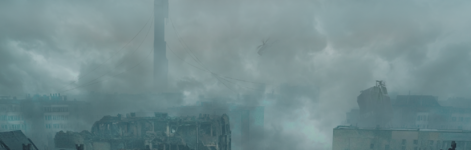
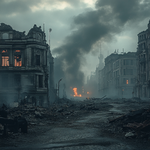
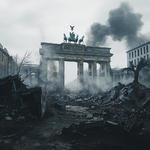
In the heart of Europe, City 36—once known as Berlin—stood as a beacon of culture, history, and human achievement. Home to approximately 3.6 million people, the city was a vibrant tapestry woven from the threads of countless lives, each with their own stories, dreams, and aspirations. From the majestic Brandenburg Gate to the bustling markets of Kreuzberg, Berlin thrummed with life, a metropolis that embraced its past while looking eagerly toward the future. However, on that fateful day in 2001, everything changed. The Incident, as it would forever be known, shattered this reality, and within mere hours, nearly 2.9 million lives were extinguished, leaving behind a haunting silence where laughter and hope once thrived.
The skies above Berlin turned an ominous shade of gray as portals—gaping, swirling voids—ripped through the fabric of the world. Initially, these phenomena were met with a mix of curiosity and apprehension; scientists and civilians alike marveled at the bizarre sights, not fully comprehending the catastrophic implications that lay ahead. The portals became harbingers of doom, merging into colossal storms that unleashed a torrent of chaos. The ground trembled underfoot as buildings crumbled, and the once-familiar streets transformed into warzones. The government, desperate to maintain control, issued directives that were meant to protect the citizens, but these orders only served to amplify the chaos. In a moment of sheer panic, the decision was made to bomb sections of the city—a misguided attempt to cleanse the chaos. This act of betrayal sent shockwaves through the populace, igniting a firestorm of destruction that would claim countless lives.
As the bombs fell, the fabric of society unraveled. Families were ripped apart, children lost their parents, and the city that had once represented unity was reduced to rubble. The screams of the dying echoed through the streets, mingling with the sounds of destruction, creating a cacophony of despair that would haunt the survivors for years to come. In the aftermath of the bombing, the survivors found themselves in a world turned upside down, a place where every corner held the specter of death. The government, once a source of authority and protection, became synonymous with betrayal. With no hope in sight, the city descended into a darkness that felt insurmountable.
In the midst of this chaos, most of the remaining population sought refuge underground. The vast network of tunnels and shelters that had once been a remnant of Berlin's history transformed into a sanctuary for the desperate. Here, in the dim light, they huddled together, sharing stories of loss and survival. The underground became both a refuge and a prison—a place where they could hide from the horrors above but where the weight of despair pressed heavily upon their hearts. The air was thick with the scents of fear and uncertainty, and every whispered conversation echoed with the knowledge that their world had irrevocably changed.
As the days turned into weeks, the once-proud metropolis became a ghost town, with the remnants of humanity dwindling in number. The government, unable to maintain control, resorted to increasingly draconian measures, erecting containment camps across the city to manage the survivors. These camps, meant to control and subjugate, became symbols of oppression, where citizens were treated as mere denizens—numbers stripped of their identities. Families were torn asunder, and the hope that had once flickered in the hearts of the people began to fade, replaced by a pervasive sense of hopelessness.
The containment camps were a grim reflection of the loss of humanity. Life within their confines was harsh and unforgiving. Food was scarce, and the constant presence of the Combine—an invasive force that had descended upon the city—only deepened the sense of dread that hung in the air. The once-vibrant culture of Berlin was reduced to whispers, tales of a lost world that seemed increasingly distant. The desperate conditions led to uprisings within the camps, fleeting moments of rebellion that were swiftly crushed by the Combine’s brutal enforcement. Each act of defiance was met with overwhelming force, and the spirit of resistance began to wane as the reality of their situation sank in.
Yet, even in the depths of despair, flickers of hope emerged. Among the survivors, a resilient spirit began to take shape; whispers of rebellion echoed through the underground. The remnants of humanity banded together, forming alliances forged in shared suffering. They exchanged ideas and resources, plotting small acts of defiance against their oppressors. The underground became a hotbed of clandestine activity, where strategies were devised, and plans were laid to reclaim their city from the clutches of the Combine. They became determined to rise from the ashes, to honor the memories of those they had lost, and to forge a new path forward.
But the Combine’s grip was relentless. As the resistance grew, so too did the brutality meted out by their oppressors. Raids on the underground became more frequent, and the containment camps expanded, swallowing more of the population as they sought to quash any flicker of resistance. Friends became enemies, and trust eroded as the reality of their predicament sank in. The scars of betrayal ran deep, and the once-unbreakable spirit of the people began to fracture under the weight of despair.
In those dark days, stories of the fallen became both a source of strength and a reminder of the fragility of life. Each tale recounted the laughter of lost loved ones, the vibrant streets that had once thrummed with life, and the dreams that had been extinguished far too soon. Within the confines of their underground refuge, they lit candles in remembrance, forming a flickering constellation of hope amidst the overwhelming darkness. The act of remembering became a rebellion in itself—a refusal to allow the stories of their loved ones to fade into obscurity.
As the years passed, the identity of City 36 shifted dramatically. The once-proud capital of Germany had transformed into a shadow of its former self, a city defined by loss and resilience. The people learned to navigate their new reality, adapting to the harsh conditions and finding strength in community. They became experts at survival, scavenging for resources and forging alliances with other survivors. As they adapted, they also began to dream of a future where they could reclaim their city, where the echoes of laughter could once again fill the air.
CHARACTER BACKSTORY
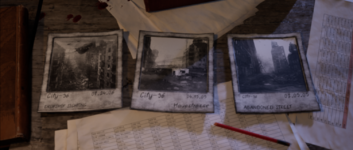
This all began in 2001, when the “Incident” shattered our reality. I can still remember the day like it was yesterday, the air thick with confusion and dread as the sky ripped open with blinding light. Portals began to appear everywhere, like gaping wounds in the fabric of our world. At first, we were curious, fascinated even, as scientists speculated about these strange phenomena. But that curiosity quickly turned to horror as the portals merged into massive storms, unleashing chaos and destruction. By 2004, everything we knew was gone, stamped out in a matter of hours. The Combine arrived, and the Seven Hour War began, a name that now sends chills down my spine.
I was at home with my family when everything collapsed. The sounds of explosions echoed through our neighborhood, a cacophony of terror as we watched our world fall apart. My heart raced as the news reports blared through the television, detailing the destruction that was rapidly engulfing our beloved Berlin. The government, in a last-ditch effort to save us, decided to bomb the outskirts, believing it would somehow turn the tide. My family and I fled to the underground, seeking refuge in the tunnels that snaked beneath the city. We thought we could escape the madness above, but the war followed us, relentless and unforgiving.
As the days turned into weeks, we were trapped in a living nightmare. The underground was a maze of fear—people were desperate, afraid, and ready to turn on one another at the first sign of weakness. I clung to my family for support, but I could feel the weight of despair creeping in. There was no telling what the future held for us, but now, as I write in this journal, I see it clearly: no one was prepared for the events that unfolded that fateful day. Everything I held dear was stripped away, leaving me with an emptiness that gnaws at my very soul.
I had to adapt. I had to live. I had to give my all for it, and it became painfully clear that survival would take everything I had. In 2007, the darkness consumed my family. I lost my father, my mother, and my brothers—all in a single, devastating blow. They were taken from me during a raid, swept away by the Combine’s brutal enforcement. I still remember the last time I saw them, their faces etched in my mind—a haunting reminder of what I had lost. I’m not sure what to do anymore. Nothing feels worth fighting for since the Combine have taken everything from me. I remain here, feeling powerless, unsure of what to expect when everything has been stripped away, and it feels like all hope has been lost.
Over the last couple of years, I’ve seen groups pop up, fighting back against the Combine’s oppressive grip, but it all seems futile. They have numbers on their side, and our resistance feels like a whisper against a raging storm. I can’t stand the propaganda that fills the airwaves, smothering us with lies and deceit. It’s nothing but brainwashing, a cruel tactic to control what remains of our spirit. They’ve destroyed our city and yet expect us to join them, branding Berlin as City 36. It’s an insult to our humanity, a mockery of our suffering.
Desperation clawed at my heart, and I knew I had to escape. I needed to leave this place, this tomb of memories filled with loss and death. I gathered what little I could and ventured through the Outlands, traversing a landscape marred by the scars of war. The journey was harrowing—each step took me further from my past yet deeper into uncertainty. I faced dangers that tested my resolve, from merciless raiders to the ever-watchful eyes of the Combine. But I pressed on, driven by the flickering hope of a new beginning.
Eventually, I found myself in a new city—an unfamiliar place with the promise of new chances and opportunities. I breathed in the air, tainted yet different, and felt a mix of fear and hope. Could this be a sanctuary? A place where I could lay down my burdens? I longed for a life free from the chains of grief and loss, a chance to exist without the constant specter of death looming over me.
But as I settle into this new life, I still carry the weight of my past. The memories of my family linger, haunting my dreams and whispering to me in my quiet moments. I am too tired to keep moving, nor do I have the desire to fight anymore. All I want is to exist, to find peace in a world that has been anything but kind. I have learned to live with the scars of my past, but every day is a struggle against the tide of despair that threatens to pull me under.
In this new city, I hope to find a place where I can heal, where I can remember my family without the pain that comes with it. I don’t know what tomorrow holds, but I cling to the belief that there is still beauty to be found amidst this broken world. With every page I write in this journal, I carve out a space for my story, a testament to my survival and a whisper of hope for a brighter future.
[Picture of Anja]
This all began in 2001, when the “Incident” shattered our reality. I can still remember the day like it was yesterday, the air thick with confusion and dread as the sky ripped open with blinding light. Portals began to appear everywhere, like gaping wounds in the fabric of our world. At first, we were curious, fascinated even, as scientists speculated about these strange phenomena. But that curiosity quickly turned to horror as the portals merged into massive storms, unleashing chaos and destruction. By 2004, everything we knew was gone, stamped out in a matter of hours. The Combine arrived, and the Seven Hour War began, a name that now sends chills down my spine.
I was at home with my family when everything collapsed. The sounds of explosions echoed through our neighborhood, a cacophony of terror as we watched our world fall apart. My heart raced as the news reports blared through the television, detailing the destruction that was rapidly engulfing our beloved Berlin. The government, in a last-ditch effort to save us, decided to bomb the outskirts, believing it would somehow turn the tide. My family and I fled to the underground, seeking refuge in the tunnels that snaked beneath the city. We thought we could escape the madness above, but the war followed us, relentless and unforgiving.
As the days turned into weeks, we were trapped in a living nightmare. The underground was a maze of fear—people were desperate, afraid, and ready to turn on one another at the first sign of weakness. I clung to my family for support, but I could feel the weight of despair creeping in. There was no telling what the future held for us, but now, as I write in this journal, I see it clearly: no one was prepared for the events that unfolded that fateful day. Everything I held dear was stripped away, leaving me with an emptiness that gnaws at my very soul.
I had to adapt. I had to live. I had to give my all for it, and it became painfully clear that survival would take everything I had. In 2007, the darkness consumed my family. I lost my father, my mother, and my brothers—all in a single, devastating blow. They were taken from me during a raid, swept away by the Combine’s brutal enforcement. I still remember the last time I saw them, their faces etched in my mind—a haunting reminder of what I had lost. I’m not sure what to do anymore. Nothing feels worth fighting for since the Combine have taken everything from me. I remain here, feeling powerless, unsure of what to expect when everything has been stripped away, and it feels like all hope has been lost.
Over the last couple of years, I’ve seen groups pop up, fighting back against the Combine’s oppressive grip, but it all seems futile. They have numbers on their side, and our resistance feels like a whisper against a raging storm. I can’t stand the propaganda that fills the airwaves, smothering us with lies and deceit. It’s nothing but brainwashing, a cruel tactic to control what remains of our spirit. They’ve destroyed our city and yet expect us to join them, branding Berlin as City 36. It’s an insult to our humanity, a mockery of our suffering.
Desperation clawed at my heart, and I knew I had to escape. I needed to leave this place, this tomb of memories filled with loss and death. I gathered what little I could and ventured through the Outlands, traversing a landscape marred by the scars of war. The journey was harrowing—each step took me further from my past yet deeper into uncertainty. I faced dangers that tested my resolve, from merciless raiders to the ever-watchful eyes of the Combine. But I pressed on, driven by the flickering hope of a new beginning.
Eventually, I found myself in a new city—an unfamiliar place with the promise of new chances and opportunities. I breathed in the air, tainted yet different, and felt a mix of fear and hope. Could this be a sanctuary? A place where I could lay down my burdens? I longed for a life free from the chains of grief and loss, a chance to exist without the constant specter of death looming over me.
But as I settle into this new life, I still carry the weight of my past. The memories of my family linger, haunting my dreams and whispering to me in my quiet moments. I am too tired to keep moving, nor do I have the desire to fight anymore. All I want is to exist, to find peace in a world that has been anything but kind. I have learned to live with the scars of my past, but every day is a struggle against the tide of despair that threatens to pull me under.
In this new city, I hope to find a place where I can heal, where I can remember my family without the pain that comes with it. I don’t know what tomorrow holds, but I cling to the belief that there is still beauty to be found amidst this broken world. With every page I write in this journal, I carve out a space for my story, a testament to my survival and a whisper of hope for a brighter future.
[Picture of Anja]
CITIZEN IDENTIFICATION INFORMATION
<:: BASIC INFORMATION::> | <:: PHYSICAL INFORMATION ::> |
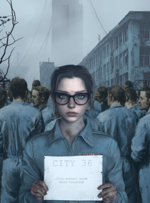
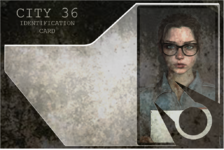
| NAME: Anja Fischer ALIAS: UNKNOWN NICKNAMES: [NONE FOR NOW] LOYALTY TIER: Tier 0 CID: XXXXX GENDER:Female AGE: 27 DATE OF BIRTH: 08/27/1992 NATIONALITY: German PLACE OF BIRTH: Berlin, Germany CURRENT LOCATION: UNKNOWN EDUCATION: N/A OCCUPATION: N/A PREVIOUS LOCATIONS: City 36 | PHYSICAL STATE: Slightly Wounded HEIGHT: 5'3 EYE COLOUR: Green HAIR COLOUR: Brown ETHNICITY: Caucasian BODY TYPE: Short, Petite NOTABLE CLOTHING: Black Reading Glasses NOTABLE FEATURES: N/A |
<:: PSYCHOLOGICAL STATE::> | <:: FAMILY COHESION::> |
| MENTAL STATE: Deteriorating (FURTHER TESTING REQUIRED) MENTAL DISABILITIES: N/A KEY TRAITS: Shy, Quiet INTERESTS: Know Artist, Photographer, Cooking DISLIKES: UNKNOWN KNOWN LANGUAGES: English, German | STATUS: DEFUNCT FAMILY: FATHER - UNKNOWN - DECEASED MOTHER - UNKNOWN - DECEASED SPOUSE: UNKNOWN - DECEASED |
CITY 36 CWU
The Burden of the Civil Workers Union in
In the heart of City 36, the Civil Workers Union (CWU) operated under the oppressive oversight of the Combine, a regime that demanded unwavering labor from its citizens. The CWU was tasked with the monumental responsibility of rebuilding a city that lay in ruins, yet their efforts were met with unrelenting exploitation.
Overwhelming Labor Demands
The CWU workers faced extreme labor conditions that stretched the limits of human endurance. Their primary responsibilities included:
- Firefighting: Responding to ongoing fires that erupted from the remnants of destroyed buildings. The risk was immense, with flames often reigniting amidst the debris.
- Debris Cleanup: Removing the shattered remains of structures that had once housed families, turning the streets into a hazardous maze of twisted metal and crumbling concrete.
- Corpse Removal: A grim necessity that weighed heavily on the workers. They were tasked with collecting the numerous bodies left behind in the chaos, each one representing a life lost to the devastation.
- Disposal at Incineration Sites: After collecting the deceased, the CWU workers transported them to incineration sites. The act of disposing of human remains was a harrowing task, yet it was essential to prevent the spread of disease in the already devastated environment.
Exploitation and Starvation
Despite the grueling nature of their work, the CWU workers received little to no compensation. The Combine enforced a system that practically starved its labor force unless they toiled for excessive hours. The harsh reality was that survival hinged on their ability to meet the relentless demands of their overseers.
- Minimal Pay: The workers were paid in meager rations that barely sustained them. Many were forced to make impossible choices between working long hours for insufficient food or risking starvation.
- Dehumanizing Conditions: The environment was rife with danger and despair. The workers labored under constant surveillance, their every move monitored by the Combine. The atmosphere was thick with smoke and the scent of decay, a constant reminder of the destruction that surrounded them.
The Respirators of Oppression
To protect themselves from the toxic air that permeated the city, CWU workers were required to wear specialized respirators. These masks, reminiscent of those worn by the Civil Protection Units, served a dual purpose: providing a semblance of safety while also symbolizing the oppressive control the Combine held over the population.
- Dehumanization Through Uniformity: The respirators stripped away individuality, turning the workers into faceless entities performing menial tasks. The similarity to the Combine's enforcers reinforced the sense of subjugation, as the workers were forced to don the same masks that symbolized their oppressors.
The Cycle of Despair
Amidst the ashes of City 36, the CWU workers became trapped in a cycle of despair. Their bodies ached from the labor, their spirits weighed down by the relentless demands of a regime that saw them as disposable. The once vibrant community was reduced to mere shadows, struggling against the overwhelming burden placed upon them.
The CWU’s existence was a stark reminder of the consequences of oppression. They were not only fighting fires and clearing debris; they were fighting for their very survival in a world that had forgotten what it meant to be human. In the face of such adversity, the resilience of the workers shone through, hinting at a flicker of hope amidst the overwhelming darkness.
[CITY 36 CWU Uniform]
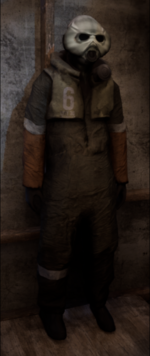
The CWU’s existence was a stark reminder of the consequences of oppression. They were not only fighting fires and clearing debris; they were fighting for their very survival in a world that had forgotten what it meant to be human. In the face of such adversity, the resilience of the workers shone through, hinting at a flicker of hope amidst the overwhelming darkness.
[CITY 36 CWU Uniform]
TRANSPONDER DATA
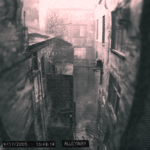
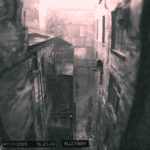
<:: CP-Transponder XRAY 36-1561 ::> |
<:: Accessing Data Log - Patrol 2596 - Infestation Zone ::> |
<:: Data Corrupted... Repairing File ::> |
<:: Data File Repaired.... Data Recovered 37% ::> |
<:: Loading Data Log - patrol 2596 - Infestation Zone ::> <:: Playing Data... ::> |
| <::Unit Alpha::> <::Initiating patrol in Sector 7. Necrotic presence detected. Increased activity noted in the eastern perimeter. | <::Unit Bravo::> <::, Alpha. Current data indicates significant necrotic proliferation. Units lost in the last engagement. Recommend reassessment of containment measures. |
| <::Unit Alpha::> <::Affirmative. Defensive line established, but integrity compromised. Current operations yielding minimal results. Ground lost in multiple sectors. | <::Unit Bravo::> <::Understood. Reinforcements unavailable. Request for backup denied. Recommend strategic withdrawal to fortified location and regrouping. |
| <::Unit Alpha::> <::Regrouping necessary. Adjusting perimeter defenses to mitigate further necrotic incursions. Commencing smoke deployment to obscure movements. | <::Unit Bravo::> <::Smoke deployment initiated. Monitoring necrotic behavior. Luring targets to designated choke point may enhance operational efficiency. |
| <::Alpha::> <::Proceed with caution. Maintain communication. Objective remains to clear the zone and restore control. Failure to contain could result in sector-wide breach. | <::Unit Bravo::> <::Acknowledged. Proceeding to designated rendezvous point. All units remain alert. Engaging Necrotics as necessary. |
| <::Unit Alpha::> <::Operation continues. Maintain protocol adherence. The situation will be resolved. | <::Unit Bravo::> <::Affirmative. Awaiting further instructions. |
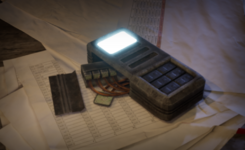
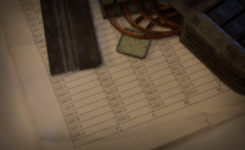
Civil Protection Unit Transponder
Found off a Dead CP unit and tinkered with to pull data from
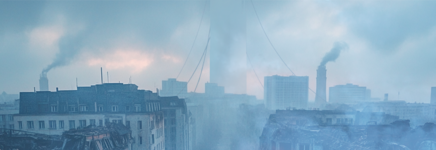
SHORT STORIES FROM CITY 36
[All Stories Told here are those the character has heard about]
[All Stories Told here are those the character has heard about]
The Descent into Darkness
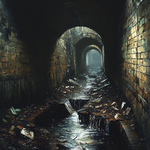
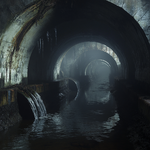
The air was thick with the stench of decay as they navigated the labyrinthine tunnels beneath City 36. The group—a ragtag collection of survivors—moved cautiously, their footsteps echoing softly against the damp concrete. The flickering glow of their makeshift lanterns revealed walls that pulsed with a sickly orange hue, illuminated by the strange growths of Xen flora that had invaded this forgotten underbelly of the city. Bulbous, alien vines twisted and coiled around the crumbling infrastructure, their fleshy surfaces glistening with an unearthly sheen, throbbing rhythmically as if they were alive.
“Stay close and watch your step,” whispered Lena, the de facto leader of the group. Her voice was steady, but the flicker of fear in her eyes betrayed her. They had been traversing these tunnels for hours, seeking refuge from the Combine patrols above, but with each passing moment, the oppressive atmosphere weighed heavier on their hearts.
As they moved deeper into the bowels of the city, the alien growths became more pronounced, their grotesque forms intertwining with the remnants of the urban landscape. The walls were a grotesque tapestry of orange flesh, pulsating with a life of its own, and the eerie glow cast unsettling shadows that danced ominously around them. The survivors exchanged wary glances, each step forward feeling like an invitation to disaster.
“We should turn back,” murmured Tomas, a burly man whose patience was wearing thin. “This place feels wrong.”
“We can’t go back,” Lena replied, her voice firm. “The Combine are searching for us. We need to keep moving. We might find a way out, or at least some supplies.”
Just as she spoke, they stumbled into a wide chamber that felt different from the narrow tunnels they had traversed. The air was stale, heavy with a sense of foreboding. They turned their lanterns to the walls, revealing remnants of what appeared to be a Combine outpost. Abandoned crates lay strewn across the floor, and the remnants of civil workers’ uniforms hung limply from rusted hooks, as if the bodies that once wore them had vanished into thin air.
“Look at this,” whispered Mira, a young woman with wide eyes. She pointed to a crate that had been pried open, its contents spilling out. “They left everything behind.”
The group moved cautiously toward the supplies, curiosity overcoming their sense of dread. The crates were filled with medical kits, ration packs, and equipment that had become relics of a forgotten world. But as they rummaged through the remnants, a chilling realization settled upon them: there were no signs of struggle, no indication of what had happened to the workers who had once occupied this space. It was as if they had simply vanished, leaving behind only echoes of their existence.
Suddenly, a low, unsettling sound resonated through the chamber, an ominous rustling that sent chills racing down their spines. The survivors froze, their eyes darting around, searching for the source of the noise. And then, without warning, the shadows erupted into chaos.
From the dark recesses of the chamber, headcrabs lunged forward, their grotesque forms propelled by a primal hunger. They were relentless, a swarm of claws and teeth, leaping through the air with terrifying speed. Panic ensued as the group scrambled to evade the onslaught, but it was too late. One by one, the headcrabs leaped onto their unsuspecting victims, latching onto their heads with sickening precision, their alien appendages wrapping around the skulls of the terrified citizens.
“Run! Get out!” Lena shouted, but her voice was drowned out by the cacophony of screams and chaos. She turned to help Tomas, but he was already ensnared, his eyes wide with horror as the creature latched onto him, its flesh melding with his skin. He thrashed violently but was quickly overpowered, his body falling limp as the creature took hold.
Mira and the others fought valiantly, swinging makeshift weapons and attempting to pry the headcrabs off their friends, but the sheer number of the creatures was overwhelming. Lena watched in horror as her companions fell one by one, their cries echoing off the walls, until only she and one other survivor, a young man named Eric, remained.
“Lena, we need to go!” Eric shouted, his voice desperate as he swung wildly at the remaining headcrabs. But as he turned to flee, he stumbled over a fallen crate, crashing to the ground.
“Go!” Lena screamed. “I’ll hold them off!”
“No! We can’t leave you!” Eric protested, but Lena’s eyes were resolute. She had seen too many lives extinguished that day, and she knew they had to escape.
With one last desperate look, she turned to face the oncoming swarm, brandishing her makeshift weapon. “Run! Don’t look back!”
Eric hesitated for a moment longer, but the terror in Lena’s eyes compelled him to move. He sprinted through the tunnels, the sounds of chaos fading behind him as he fled into the darkness, leaving Lena to face the horrors alone.
As he stumbled through the winding passages, Eric’s heart raced, and his mind was a whirlwind of fear and guilt. He could still hear the echoes of Lena’s screams, the haunting reminder of what he had left behind. The tunnels twisted and turned, leading him deeper into the underground, but he pressed on, driven by the need to survive.
Finally, after what felt like an eternity, Eric emerged into a larger chamber, gasping for breath and desperate for escape. He collapsed against a wall, his heart pounding in his chest, the weight of what had transpired settling heavily upon him. He was the last of the group, the sole witness to the horrors they had faced.
As he sat there in the darkness, the sounds of the tunnels echoed around him, a reminder of the friends he had lost. He knew he had to tell their story, to honor their memory, but in that moment, he felt utterly alone. The darkness pressed in around him, and he understood that the world above was unforgiving, filled with dangers he could scarcely comprehend.
“Stay close and watch your step,” whispered Lena, the de facto leader of the group. Her voice was steady, but the flicker of fear in her eyes betrayed her. They had been traversing these tunnels for hours, seeking refuge from the Combine patrols above, but with each passing moment, the oppressive atmosphere weighed heavier on their hearts.
As they moved deeper into the bowels of the city, the alien growths became more pronounced, their grotesque forms intertwining with the remnants of the urban landscape. The walls were a grotesque tapestry of orange flesh, pulsating with a life of its own, and the eerie glow cast unsettling shadows that danced ominously around them. The survivors exchanged wary glances, each step forward feeling like an invitation to disaster.
“We should turn back,” murmured Tomas, a burly man whose patience was wearing thin. “This place feels wrong.”
“We can’t go back,” Lena replied, her voice firm. “The Combine are searching for us. We need to keep moving. We might find a way out, or at least some supplies.”
Just as she spoke, they stumbled into a wide chamber that felt different from the narrow tunnels they had traversed. The air was stale, heavy with a sense of foreboding. They turned their lanterns to the walls, revealing remnants of what appeared to be a Combine outpost. Abandoned crates lay strewn across the floor, and the remnants of civil workers’ uniforms hung limply from rusted hooks, as if the bodies that once wore them had vanished into thin air.
“Look at this,” whispered Mira, a young woman with wide eyes. She pointed to a crate that had been pried open, its contents spilling out. “They left everything behind.”
The group moved cautiously toward the supplies, curiosity overcoming their sense of dread. The crates were filled with medical kits, ration packs, and equipment that had become relics of a forgotten world. But as they rummaged through the remnants, a chilling realization settled upon them: there were no signs of struggle, no indication of what had happened to the workers who had once occupied this space. It was as if they had simply vanished, leaving behind only echoes of their existence.
Suddenly, a low, unsettling sound resonated through the chamber, an ominous rustling that sent chills racing down their spines. The survivors froze, their eyes darting around, searching for the source of the noise. And then, without warning, the shadows erupted into chaos.
From the dark recesses of the chamber, headcrabs lunged forward, their grotesque forms propelled by a primal hunger. They were relentless, a swarm of claws and teeth, leaping through the air with terrifying speed. Panic ensued as the group scrambled to evade the onslaught, but it was too late. One by one, the headcrabs leaped onto their unsuspecting victims, latching onto their heads with sickening precision, their alien appendages wrapping around the skulls of the terrified citizens.
“Run! Get out!” Lena shouted, but her voice was drowned out by the cacophony of screams and chaos. She turned to help Tomas, but he was already ensnared, his eyes wide with horror as the creature latched onto him, its flesh melding with his skin. He thrashed violently but was quickly overpowered, his body falling limp as the creature took hold.
Mira and the others fought valiantly, swinging makeshift weapons and attempting to pry the headcrabs off their friends, but the sheer number of the creatures was overwhelming. Lena watched in horror as her companions fell one by one, their cries echoing off the walls, until only she and one other survivor, a young man named Eric, remained.
“Lena, we need to go!” Eric shouted, his voice desperate as he swung wildly at the remaining headcrabs. But as he turned to flee, he stumbled over a fallen crate, crashing to the ground.
“Go!” Lena screamed. “I’ll hold them off!”
“No! We can’t leave you!” Eric protested, but Lena’s eyes were resolute. She had seen too many lives extinguished that day, and she knew they had to escape.
With one last desperate look, she turned to face the oncoming swarm, brandishing her makeshift weapon. “Run! Don’t look back!”
Eric hesitated for a moment longer, but the terror in Lena’s eyes compelled him to move. He sprinted through the tunnels, the sounds of chaos fading behind him as he fled into the darkness, leaving Lena to face the horrors alone.
As he stumbled through the winding passages, Eric’s heart raced, and his mind was a whirlwind of fear and guilt. He could still hear the echoes of Lena’s screams, the haunting reminder of what he had left behind. The tunnels twisted and turned, leading him deeper into the underground, but he pressed on, driven by the need to survive.
Finally, after what felt like an eternity, Eric emerged into a larger chamber, gasping for breath and desperate for escape. He collapsed against a wall, his heart pounding in his chest, the weight of what had transpired settling heavily upon him. He was the last of the group, the sole witness to the horrors they had faced.
As he sat there in the darkness, the sounds of the tunnels echoed around him, a reminder of the friends he had lost. He knew he had to tell their story, to honor their memory, but in that moment, he felt utterly alone. The darkness pressed in around him, and he understood that the world above was unforgiving, filled with dangers he could scarcely comprehend.
Shattered Silence
The remnants of Berlin lay smoldering beneath a darkened sky, the air thick with ash and despair. The once-bustling city had become a graveyard, the echoes of laughter replaced by distant explosions and the screams of those still trapped in the ruins. The Combine’s relentless assault had lasted for four years, yet today, they chose to unleash a new wave of devastation upon the already broken city.
In a dilapidated building, a group of rebels gathered in the shadows, their faces grim as they prepared for the chaos that was about to ensue. Anton, their leader, leaned against a crumbling wall, surveying his small group. “We can’t let them take any more lives,” he said, his voice steady despite the tremor of fear within.
“We have to move fast,” Mia replied, her fiery red hair falling across her dirt-streaked face. She checked her makeshift weapon, a crude rifle fashioned from scavenged parts. “I heard there are still families trapped in the old apartment complex on Hindenburg Street. We can’t leave them behind.”
“Are you sure it’s safe?” Markus, a tall, wiry rebel with sunken eyes, asked anxiously. “The last time we went out, we lost two members to the mortars. They’re everywhere.”
“But if we don’t try, they’ll die,” Mia insisted, her voice rising with urgency. “We can’t just sit here and wait for the Combine to finish the job.”
Anton nodded, feeling the weight of responsibility on his shoulders. “We’ll split into two groups. Mia, you take a few members and head to the apartment complex. I’ll stay here with the rest and keep watch. If we hear the mortars coming, we’ll signal you to retreat.”
“Understood,” Mia replied, determination flashing in her eyes. “Let’s move!”
As they prepared to leave, a sudden roar filled the air, rattling the walls of the building. The ground shook violently, and a cloud of dust poured through the cracks. “Mortars!” Anton shouted, his heart racing. “We need to go—now!”
Mia and her group dashed into the streets, the chaos of the surface world unfolding before them. Buildings around them trembled, and they could see the Combine’s mortars raining down, obliterating everything in their path.
“Stay low!” Mia yelled, leading the way through the debris-strewn streets. They ducked behind a fallen wall, catching their breath for a moment as the explosions echoed around them.
“Do you think we’ll make it?” whispered Lena, a young rebel with wide eyes, fear etched across her face. “What if we don’t find anyone?”
“We have to believe we will,” Mia replied firmly, squeezing Lena’s shoulder. “There are people out there who need us. We can’t let fear stop us.”
As they made their way toward the apartment complex, the air grew thick with smoke and the acrid smell of burning debris. They reached the building, its façade crumbling but still standing. “This way!” Mia gestured, leading them inside. The atmosphere was tense, the sounds of destruction echoing outside.
They moved cautiously through the darkened hallways, their hearts pounding in their chests. “Hello?” Mia called out, her voice echoing through the empty corridors. “Is anyone here?”
A voice responded, weak and trembling. “Help us! We’re trapped!”
Mia rushed toward the sound, her heart racing. “Stay here! We’re coming for you!” She pushed through the door to find a small family huddled in the corner, their faces pale with fear. A mother clutched her child tightly, tears streaming down her face.
“Please, help us!” the mother cried, her voice breaking. “We thought we were going to die!”
“Don’t worry, we’re here to get you out,” Mia assured them, quickly assessing the debris that blocked the exit. “We just need to clear this away.”
As they worked together, the ground shook again with a tremendous explosion. Dust and debris fell from the ceiling, and Mia felt a surge of panic. “We have to hurry!” she urged, her hands shaking as she pushed against the rubble.
Suddenly, the door burst open, and the rest of the rebel group poured in, Anton at the forefront. “We heard the explosions! Are you okay?” he asked, scanning the room for danger.
“We’re fine, but we need to get them out!” Mia replied, gesturing to the family. “The way is blocked!”
Anton wasted no time; he joined Mia in clearing the debris. “We’ll get you all to safety,” he promised the family, determination shining in his eyes.
As they finally cleared a path, the mother grabbed Mia’s arm, her grip tight with fear. “Is it safe out there?”
Mia hesitated, her heart heavy with the weight of the truth. “We’ll make it safe. We have to.”
With the path finally clear, they led the family out into the chaos of the street. But as they stepped outside, the ground shook again, and a mortar struck nearby, sending a shockwave that knocked them all to the ground.
“Get down!” Anton shouted, pulling the family close to him as debris rained down around them. The world erupted into chaos, the sounds of destruction drowning out their fear.
“Keep moving!” Mia yelled, struggling to get back on her feet. “We have to reach the tunnels!”
They sprinted through the wreckage, adrenaline fueling their escape as explosions continued to rock the city. “This way!” Anton shouted, leading them toward a narrow alley that would take them to the underground entrance.
As they ran, Lena stumbled, but Markus quickly grabbed her arm, pulling her up. “Come on! You can do this!” he encouraged her, his voice steady despite the terror surrounding them.
Finally, they reached the entrance to the underground tunnels, a battered door partially hidden behind a pile of rubble. “In here!” Anton urged, pushing the door open and ushering everyone inside.
Once inside the tunnels, the atmosphere shifted from chaos to a tense silence. The rebels huddled together, catching their breath in the dim light. “We made it,” Mia said, her voice trembling with relief. “We actually made it.”
But as they settled into the underground space, the distant sounds of mortars continued to echo above, a haunting reminder of the destruction that had taken place. “What do we do now?” the mother asked, her voice quivering.
“We hold,” Anton replied, determination hardening in his chest. “We regroup, and we find a way to fight back. The Combine may have devastated the city, but we won’t let them extinguish our hope.”
“Together,” Mia added, looking around at her fellow rebels. “We will find a way to rise from this.”
And in that moment, as they stood together in the darkness, their hearts filled with a flicker of resolve. The road ahead would be long and fraught with danger, but they were united in their fight for survival. They had gathered the citizens left behind, and together, they would endure the darkness, forging a path toward a future where hope could once again bloom amidst the ashes of despair.
In a dilapidated building, a group of rebels gathered in the shadows, their faces grim as they prepared for the chaos that was about to ensue. Anton, their leader, leaned against a crumbling wall, surveying his small group. “We can’t let them take any more lives,” he said, his voice steady despite the tremor of fear within.
“We have to move fast,” Mia replied, her fiery red hair falling across her dirt-streaked face. She checked her makeshift weapon, a crude rifle fashioned from scavenged parts. “I heard there are still families trapped in the old apartment complex on Hindenburg Street. We can’t leave them behind.”
“Are you sure it’s safe?” Markus, a tall, wiry rebel with sunken eyes, asked anxiously. “The last time we went out, we lost two members to the mortars. They’re everywhere.”
“But if we don’t try, they’ll die,” Mia insisted, her voice rising with urgency. “We can’t just sit here and wait for the Combine to finish the job.”
Anton nodded, feeling the weight of responsibility on his shoulders. “We’ll split into two groups. Mia, you take a few members and head to the apartment complex. I’ll stay here with the rest and keep watch. If we hear the mortars coming, we’ll signal you to retreat.”
“Understood,” Mia replied, determination flashing in her eyes. “Let’s move!”
As they prepared to leave, a sudden roar filled the air, rattling the walls of the building. The ground shook violently, and a cloud of dust poured through the cracks. “Mortars!” Anton shouted, his heart racing. “We need to go—now!”
Mia and her group dashed into the streets, the chaos of the surface world unfolding before them. Buildings around them trembled, and they could see the Combine’s mortars raining down, obliterating everything in their path.
“Stay low!” Mia yelled, leading the way through the debris-strewn streets. They ducked behind a fallen wall, catching their breath for a moment as the explosions echoed around them.
“Do you think we’ll make it?” whispered Lena, a young rebel with wide eyes, fear etched across her face. “What if we don’t find anyone?”
“We have to believe we will,” Mia replied firmly, squeezing Lena’s shoulder. “There are people out there who need us. We can’t let fear stop us.”
As they made their way toward the apartment complex, the air grew thick with smoke and the acrid smell of burning debris. They reached the building, its façade crumbling but still standing. “This way!” Mia gestured, leading them inside. The atmosphere was tense, the sounds of destruction echoing outside.
They moved cautiously through the darkened hallways, their hearts pounding in their chests. “Hello?” Mia called out, her voice echoing through the empty corridors. “Is anyone here?”
A voice responded, weak and trembling. “Help us! We’re trapped!”
Mia rushed toward the sound, her heart racing. “Stay here! We’re coming for you!” She pushed through the door to find a small family huddled in the corner, their faces pale with fear. A mother clutched her child tightly, tears streaming down her face.
“Please, help us!” the mother cried, her voice breaking. “We thought we were going to die!”
“Don’t worry, we’re here to get you out,” Mia assured them, quickly assessing the debris that blocked the exit. “We just need to clear this away.”
As they worked together, the ground shook again with a tremendous explosion. Dust and debris fell from the ceiling, and Mia felt a surge of panic. “We have to hurry!” she urged, her hands shaking as she pushed against the rubble.
Suddenly, the door burst open, and the rest of the rebel group poured in, Anton at the forefront. “We heard the explosions! Are you okay?” he asked, scanning the room for danger.
“We’re fine, but we need to get them out!” Mia replied, gesturing to the family. “The way is blocked!”
Anton wasted no time; he joined Mia in clearing the debris. “We’ll get you all to safety,” he promised the family, determination shining in his eyes.
As they finally cleared a path, the mother grabbed Mia’s arm, her grip tight with fear. “Is it safe out there?”
Mia hesitated, her heart heavy with the weight of the truth. “We’ll make it safe. We have to.”
With the path finally clear, they led the family out into the chaos of the street. But as they stepped outside, the ground shook again, and a mortar struck nearby, sending a shockwave that knocked them all to the ground.
“Get down!” Anton shouted, pulling the family close to him as debris rained down around them. The world erupted into chaos, the sounds of destruction drowning out their fear.
“Keep moving!” Mia yelled, struggling to get back on her feet. “We have to reach the tunnels!”
They sprinted through the wreckage, adrenaline fueling their escape as explosions continued to rock the city. “This way!” Anton shouted, leading them toward a narrow alley that would take them to the underground entrance.
As they ran, Lena stumbled, but Markus quickly grabbed her arm, pulling her up. “Come on! You can do this!” he encouraged her, his voice steady despite the terror surrounding them.
Finally, they reached the entrance to the underground tunnels, a battered door partially hidden behind a pile of rubble. “In here!” Anton urged, pushing the door open and ushering everyone inside.
Once inside the tunnels, the atmosphere shifted from chaos to a tense silence. The rebels huddled together, catching their breath in the dim light. “We made it,” Mia said, her voice trembling with relief. “We actually made it.”
But as they settled into the underground space, the distant sounds of mortars continued to echo above, a haunting reminder of the destruction that had taken place. “What do we do now?” the mother asked, her voice quivering.
“We hold,” Anton replied, determination hardening in his chest. “We regroup, and we find a way to fight back. The Combine may have devastated the city, but we won’t let them extinguish our hope.”
“Together,” Mia added, looking around at her fellow rebels. “We will find a way to rise from this.”
And in that moment, as they stood together in the darkness, their hearts filled with a flicker of resolve. The road ahead would be long and fraught with danger, but they were united in their fight for survival. They had gathered the citizens left behind, and together, they would endure the darkness, forging a path toward a future where hope could once again bloom amidst the ashes of despair.
Arrival in City 8
The Arrival
The rhythmic clatter of the train wheels echoed in my ears, a hollow sound that seemed to resonate with the uncertainty in my heart. I gripped my small bag tightly, its worn fabric a reminder of the life I was leaving behind. The flickering lights of the train cast fleeting shadows across the faces of my fellow passengers, each one a reflection of their own hopes and fears. We were all strangers, bound together by a shared fate as we traveled toward the unknown—City 8.
The overcast sky loomed above us, heavy with dread. It felt as if the clouds themselves were mourning the world we had lost. The train jerked slightly, and I caught a glimpse of the landscape outside: a desolate stretch of abandoned buildings and burnt-out fields, remnants of dreams now turned to ash. With every passing moment, the sense of foreboding deepened.
As the train approached City 8, my heart raced. I had managed to secure a relocation coupon, a rare opportunity in this harsh Union. I could almost taste the freedom it promised, yet the weight of reality pulled me back. What awaited me on the other side? Would this city be a sanctuary or a prison?
The train finally came to a halt, the screech of metal against metal echoing in the stillness. A collective inhale filled the air as the doors slid open, revealing a dimly lit platform. I stepped out, the cool air biting against my skin. The atmosphere was thick with tension, and a sense of foreboding clung to me like a shadow.
Civil Protection Units patrolled the train carriages, their presence an ever-watchful reminder of the Union's iron grip. Clad in dark uniforms and their signature masks, they moved with an unsettling efficiency, eyes scanning for any signs of dissent. I instinctively straightened my back, my heart pounding as I avoided their gaze. I was just another displaced soul in a line of weary refugees, waiting for what lay ahead.
The platform was a stark contrast to the vibrant life I had once known. It was barren, save for the flickering lights overhead that cast a sickly yellow hue over everything. Citizens shuffled along, their faces drawn and pale, mirroring the despair that permeated the air. I joined the line of newcomers, each step feeling heavier than the last as I approached the processing area.
A stern-faced official sat behind a desk, his eyes cold and unyielding. He barely glanced at me as I handed over my relocation coupon, his fingers moving with robotic precision. “Name?” he barked, his tone leaving no room for pleasantries.
“Anja Fischer,” I replied, my voice trembling slightly.
“Age?”
“Twenty-seven.”
He scribbled my details into a worn ledger, barely looking up. “Welcome to City 8,” he muttered, as if the words were a curse rather than a greeting. “This is your new home. Follow the signs to the housing district. You’ll be assigned a living unit.”
I nodded, feeling a chill creep down my spine. The term "living unit" sounded so sterile, so devoid of warmth. I took my slip of paper and stepped away from the desk, my mind racing. What kind of place would I be living in? Would I find community, or would I be isolated among strangers?
As I moved through the dimly lit corridors of the station, the reality of City 8 began to engulf me. The walls were lined with faded posters, their messages of hope and unity long since rendered meaningless. Instead, they felt like ghostly whispers of a past that had been erased.
I exited the station, stepping into the heart of the city. The streets were eerily quiet, the only sound being the distant hum of machinery and the occasional thud of boots on pavement. The buildings loomed over me, stark and uninviting, casting long shadows that seemed to stretch out like fingers reaching for me.
A sense of dread settled in my stomach as I navigated through the streets, following the signs toward the housing district. The overcast sky mirrored my thoughts, a swirling mass of uncertainty and fear. I couldn’t shake the feeling that I was being watched, every movement scrutinized by unseen eyes.
The housing district was a cluster of identical structures, each one a grey monolith standing in stark contrast to the vibrant life I had once known. I approached the designated building, my heart sinking as I took in the peeling paint and the flickering lights that barely illuminated the entrance.
Inside, the atmosphere was stale and oppressive. The walls felt like they were closing in on me, and I could hear the faint whispers of other residents, their voices tinged with despair. I was assigned a small unit on the third floor, a cramped space that offered little comfort. The bare essentials—a cot, a small table, and a flickering light—were all that awaited me.
As I settled into my new home, I couldn’t help but wonder about the choices that had led me here. The freedom I had sought now felt like a cage, and the hope of a better future seemed to dissipate like smoke in the wind.
I gazed out of the small window, the view offering little more than the grey skyline of City 8. The sky remained overcast, a reflection of the turmoil within me. I was here now, but what lay ahead? Would I find a way to carve out a life in this desolate city, or would I become just another ghost, lost among the shadows?
In that moment, I made a silent vow to myself: I would not let this place break me. I would find a way to survive and reclaim the hope that had been stripped away. City 8 would not define me; I would define my own path, no matter how treacherous it might be.
The overcast sky loomed above us, heavy with dread. It felt as if the clouds themselves were mourning the world we had lost. The train jerked slightly, and I caught a glimpse of the landscape outside: a desolate stretch of abandoned buildings and burnt-out fields, remnants of dreams now turned to ash. With every passing moment, the sense of foreboding deepened.
As the train approached City 8, my heart raced. I had managed to secure a relocation coupon, a rare opportunity in this harsh Union. I could almost taste the freedom it promised, yet the weight of reality pulled me back. What awaited me on the other side? Would this city be a sanctuary or a prison?
The train finally came to a halt, the screech of metal against metal echoing in the stillness. A collective inhale filled the air as the doors slid open, revealing a dimly lit platform. I stepped out, the cool air biting against my skin. The atmosphere was thick with tension, and a sense of foreboding clung to me like a shadow.
Civil Protection Units patrolled the train carriages, their presence an ever-watchful reminder of the Union's iron grip. Clad in dark uniforms and their signature masks, they moved with an unsettling efficiency, eyes scanning for any signs of dissent. I instinctively straightened my back, my heart pounding as I avoided their gaze. I was just another displaced soul in a line of weary refugees, waiting for what lay ahead.
The platform was a stark contrast to the vibrant life I had once known. It was barren, save for the flickering lights overhead that cast a sickly yellow hue over everything. Citizens shuffled along, their faces drawn and pale, mirroring the despair that permeated the air. I joined the line of newcomers, each step feeling heavier than the last as I approached the processing area.
A stern-faced official sat behind a desk, his eyes cold and unyielding. He barely glanced at me as I handed over my relocation coupon, his fingers moving with robotic precision. “Name?” he barked, his tone leaving no room for pleasantries.
“Anja Fischer,” I replied, my voice trembling slightly.
“Age?”
“Twenty-seven.”
He scribbled my details into a worn ledger, barely looking up. “Welcome to City 8,” he muttered, as if the words were a curse rather than a greeting. “This is your new home. Follow the signs to the housing district. You’ll be assigned a living unit.”
I nodded, feeling a chill creep down my spine. The term "living unit" sounded so sterile, so devoid of warmth. I took my slip of paper and stepped away from the desk, my mind racing. What kind of place would I be living in? Would I find community, or would I be isolated among strangers?
As I moved through the dimly lit corridors of the station, the reality of City 8 began to engulf me. The walls were lined with faded posters, their messages of hope and unity long since rendered meaningless. Instead, they felt like ghostly whispers of a past that had been erased.
I exited the station, stepping into the heart of the city. The streets were eerily quiet, the only sound being the distant hum of machinery and the occasional thud of boots on pavement. The buildings loomed over me, stark and uninviting, casting long shadows that seemed to stretch out like fingers reaching for me.
A sense of dread settled in my stomach as I navigated through the streets, following the signs toward the housing district. The overcast sky mirrored my thoughts, a swirling mass of uncertainty and fear. I couldn’t shake the feeling that I was being watched, every movement scrutinized by unseen eyes.
The housing district was a cluster of identical structures, each one a grey monolith standing in stark contrast to the vibrant life I had once known. I approached the designated building, my heart sinking as I took in the peeling paint and the flickering lights that barely illuminated the entrance.
Inside, the atmosphere was stale and oppressive. The walls felt like they were closing in on me, and I could hear the faint whispers of other residents, their voices tinged with despair. I was assigned a small unit on the third floor, a cramped space that offered little comfort. The bare essentials—a cot, a small table, and a flickering light—were all that awaited me.
As I settled into my new home, I couldn’t help but wonder about the choices that had led me here. The freedom I had sought now felt like a cage, and the hope of a better future seemed to dissipate like smoke in the wind.
I gazed out of the small window, the view offering little more than the grey skyline of City 8. The sky remained overcast, a reflection of the turmoil within me. I was here now, but what lay ahead? Would I find a way to carve out a life in this desolate city, or would I become just another ghost, lost among the shadows?
In that moment, I made a silent vow to myself: I would not let this place break me. I would find a way to survive and reclaim the hope that had been stripped away. City 8 would not define me; I would define my own path, no matter how treacherous it might be.
RELTATIONSHIPS
[Relationships need to form]
[Relationships need to form]
[This Character Backstory page is still heavily wip! Way more stories and lore will be posted here and updated]
Attachments

Last edited:


