Trial and Disappearance
Although the society would lack written documents, the vanity of its last Elders led them to write the so-called Libro Mayor (Major Book) narrating their activities in a heroic tone. This book was discovered in 1821 in the house of the Elder Brother, Francisco Cortina, when he was arrested on murder charges by the hunter officer Manuel de Cuendías. However, a fire in the Court of Seville in 1918 ended this book and all the evidence that was stored there.
As a result of this discovery, they would be tried and executed—hanged in the Main Square of Seville on November 25, 1822, the Elder Brother (grand master), his lieutenants, and other recognized members of the Garduña (a total of sixteen).
The subsequent fate of this alleged secret society would be a mystery, hinting at a recycling or at least an influence on groups such as the Camorra, the Cosa Nostra, or Caribbean piracy.
Founding and Cultural Composition
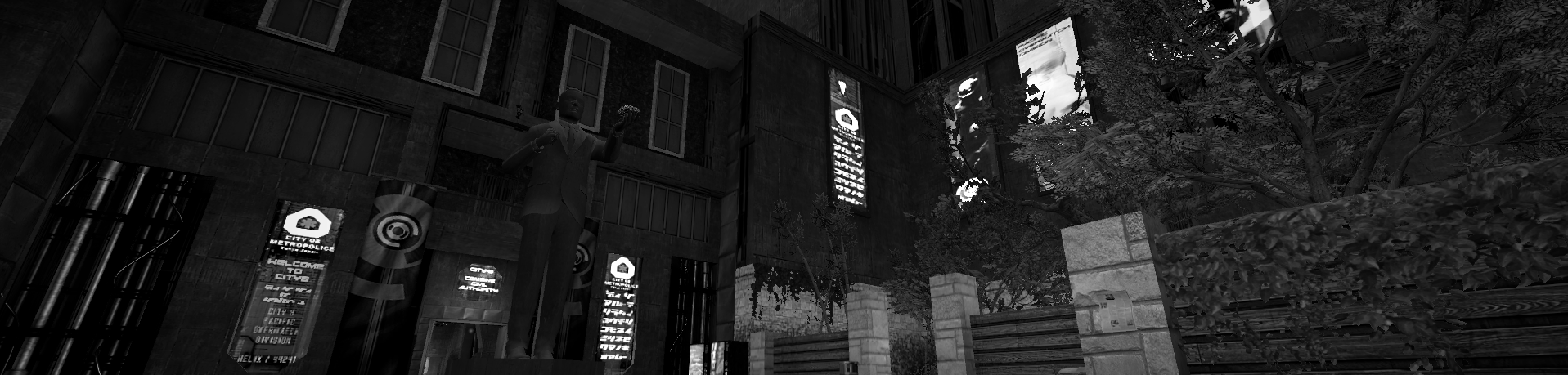
La Garduña traces its roots back to the chaotic aftermath of the Madrid Uprising, a cataclysmic event that led to the collapse of the Iberian Peninsula. The organization emerged from the resultant diaspora, which consisted primarily of Iberians—Castilians, Catalans, Aragonese, Balearics, Basques, Galicians, and Portuguese. These diverse groups coalesced in City 8, forming a tightly-knit community dedicated to preserving their heritage and protecting their interests in a foreign land.
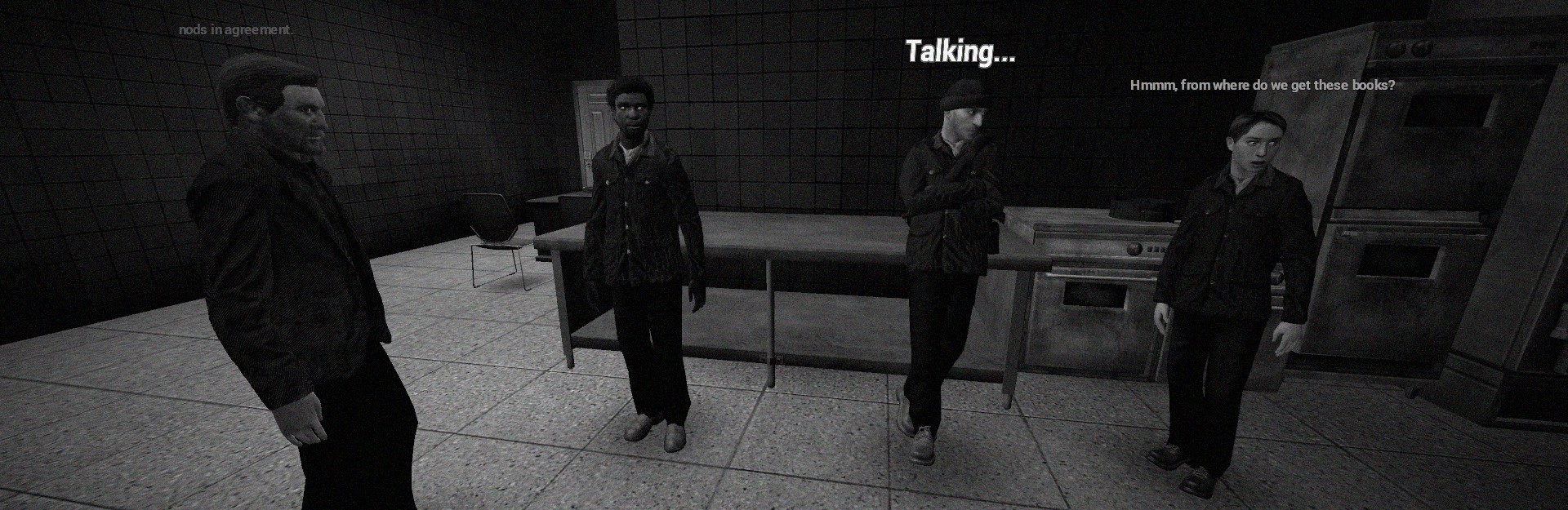
This sense of community was critical to La Garduña’s foundation. Initially, it began as a mutual aid society, offering support and protection to Iberian immigrants. However, it soon evolved into a more structured organization, driven by the need to navigate and exert influence in the treacherous socio-political landscape of City 8.
Ideological Framework: Falangist Futurism
La Garduña's upper echelons are populated by former high-ranking officials from the now-defunct Futurist administration of Iberia. These individuals brought with them a unique blend of ideologies, which came to be known as Falangist Futurism. This ideology is a synthesis of traditional Futurist principles with the doctrines of Casto’s thoughts and Casca Enrico’s evolutionary futurism. Unlike traditional Neo-Futurism, which often adhered to rigid, reactionary principles, Falangist Futurism is more progressive and syncretic.
The ideology emerged as a response to the failures of the previous administration, which had been torn apart by ethnic conflicts. Falangist Futurism seeks to avoid these pitfalls by promoting a unified Iberian identity and adapting to the harsh realities of their new environment.
Political and Criminal Entanglements
In the politically charged and crime-ridden milieu of City 8, La Garduña thrives through a symbiotic relationship between its political activities and criminal enterprises. The organization has established itself as a formidable power, financing its operations and expanding its influence through drug and human trafficking, protection rackets, and political corruption. Controlling a significant portion of the narcotics trade, La Garduña utilizes its network to distribute drugs while also engaging deeply in the smuggling and exploitation of people. By offering 'protection' to local businesses and individuals in exchange for money, the organization extorts funds to support its endeavours. Additionally, by infiltrating and manipulating local politics, La Garduña ensures its interests are protected and its activities are overlooked or tacitly approved by the authorities.
Expansion and Influence
La Garduña’s influence extends beyond mere criminality; it is deeply embedded in the socio-political fabric of City 8. Through strategic alliances and ruthless tactics, the organization has carved out a significant power base. Key to this expansion are its alliances with other criminal groups, corrupt officials, and disaffected elements within the city’s populace. These alliances provide La Garduña with the resources and support needed to dominate large swathes of territory and maintain its operations.
The Future of La Garduña
As City 8 continues to evolve, so too does La Garduña. The organization is constantly adapting to new challenges and opportunities, driven by its ideological commitment to the survival and prosperity of the Iberian diaspora. With its blend of ideological fervour and pragmatic criminality, La Garduña stands as a testament to the resilience and ingenuity of its people, poised to influence the future of City 8. |