dno
Radio Bob Approved
- Joined
- Oct 18, 2020
- Messages
- 118
- Thread Author
- #1



Pre-Lude:
- Ballistic Protection
- Levels
| Level | Stoppage | Found In |
| I | 22 LR, .380 ACP | Guard Posts (Public Transport, Infrastructure |
| II | 8mm, .357 Magnum | Police cars, police homes, police lockers |
| IIIA | .44 Magnum | Armed Police; Police Vans/ARU |
| III | 7.62 NATO | Reservist Bases/Bunkers, Homes near border, military supply stores |
| III+ | M855/5.56 AP | Soldiers, Military Bases/Checkpoints, Military Infrastructure, Military Convoy/Vehicles |
| IIIV | .30-06 | Military Installments; banks- maybe |
- Improvised Plates/Protection
Improvised protection can be made from everything, but that doesn't mean you have everything at your disposal. This lessons dives into your stewardship, using what you have. This section covers the can's as to what you could throw together to put a barrier between you and bullets. The most carried calibers by the opposition force, Metro-Police are 9mm, .45 ACP, 5.56 NATO, and various shotgun munitions.
1. The first thing to start would be your housing, for your protections main content; this could be a backpack, satchel; in which you could put the contents in, however if that is not applicable, seatbelts, actual belts, bungee cords, rachet tie downs, rope, bungee cord and paracord are all applicable. A means of restraining the armor to yourself. Starting with your housing/fastener allows you to see what space you'll have for the actual protection
- Secure your protection to your fastener with; Nails, Duct Tape, Zipties, Super Glue, Welding, and so on.
- Use a load bearing knot or the X cross method for a more effective means of keeping the armor as tight as possible.
2. Picking the main content; you're going to be bulky, homemade armor isn't concealable with the way we're doing it. High quality metals are what you want for maximum effectiveness. Listed below are some options, you'll have to get creative and use what is available to you.
- Inertia (Newton's 1st Law)Denser objects resist motion more, so they don’t deform or move easily on impact. That helps prevent penetration.
3. Fastening what you can and creating your armor is simple as but you're going to want to make sure it doesn't fall apart; do tests when you're able to, tossing your vest down a flight of stairs, running with it, and submerging it in water to expose it to the conditions of battle will allow you to see any points of improvement, you may make. The more your armor plates are together, the better
Improvised Armor
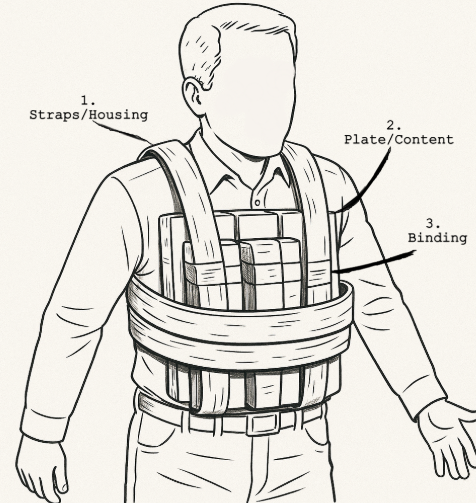
'Keeping the armour on you'
Backpack/Satchel, belts, seatbelts, rope, bungee cord, paracord, webbing, suspender straps
2. Content
'The Armour'
Desired: Brake Pads, Fire Doors, Building-Steel, Rebar, Aircraft Aliminum.
Somewhat Desired: Fire Hose, Tire Treads, Road Signs, Kitchen Tiles/Ceramic Tiles
3. Binding
'Keeping the armor together'
Welding, Duct Tape, Nails, Zip ties, Glue, Rope/Paracord
- Cover vs Concealment
Concealment | Cover |
Keeps you unseen- won't stop a bullet but will conceal you so as long as you're immersed behind, a top, or under it. | Meant for the purpose of stopping or deflecting enemy fire |
Examples Bushes, signage, curtains, garbage piles, smoke, and snow. | Examples Concrete walls, steel doors, sandbags, car engine block, heavy machinery, trains/railcars, support pillars, thick-wood infrastructure/logs. |
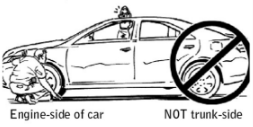
Engine Block
The engine side of a car, compared to the trunk, will provide better cover; feet may be exposed during a transition.
Vehicles make easy targets for forces to concentrate theirfire.
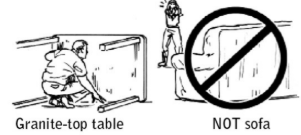
Weigh your options, sometimes you'll have just concealment; but even then its that or be in the open.
Weigh your options for what will keep you the most safe.