Bodger
Active member
- Joined
- Sep 21, 2020
- Messages
- 274
- Thread Author
- #1


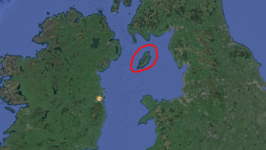
The Isle of Mann
After the Black Mesa Incident, which swept the world over with portal storms, the Isle of Mann while seemingly protected by its geography wasn't left unharmed. Local portal storms ravaged most of the surrounding British Isles, though due to it's central location mostly only felt the aftermath from the weather changes, leading to large storms and flooding. These portal storms and extreme weather incidents made sure that the shipments that Mann usually received no longer occurred, which led to quite a large drop in the population of those that stayed in the towns.
When the Combine arrived, and when they created cities two and nine, they had also surveyed the Isle of Mann. What they found wasn't much of a surprise from most of the rest of the world. The bigger towns were deserted, and the population that was left was so spread out and unorganized that they were left to their own devices, to what the Combine saw as their death, as they posed no threat and would most likely kill each other off in the struggle for food.
The Island went unobserved after this, and differing from what the Combine thought would happen, the people started to rebuild. Unknown to the Combine, Manx culture and society were both homogeneous, and from their already low population and population density, they already had a society that cared for each other. Mostly building farmsteads not just to solve the food problem but also the housing problem. The towns and villages had been left uninhabitable from the storms, and the spread out farmers that had survived couldn't house everyone, and so they taught them how to farm for themselves and sent them on their way to claim their own land.
Now, thirteen years after the disaster that almost wiped them out, the Manx have persevered and continue to rebuild. Their population is stagnant, though not for a lack of trying. They have gone back to using hand tools to do all of their work, as they have preserved certain historical sites from the Victorian era that have examples of tools and methods used before electricity was widespread.